Tierra del Fuego Expedition
A Journey to the End of the World
Chile
Para utilizar las funcionalidades completas de este sitio es necesario tener JavaScript habilitado. Aquí están las instrucciones para habilitar JavaScript en tu navegador web.
Special savings available to members of our Explorer Echo Society loyalty program.
For more information or bookings, contact us at reserveexpeditions@explora.com or at +56 2 23952800.
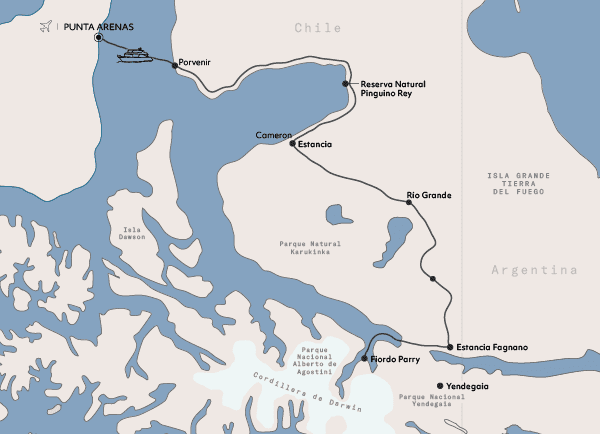
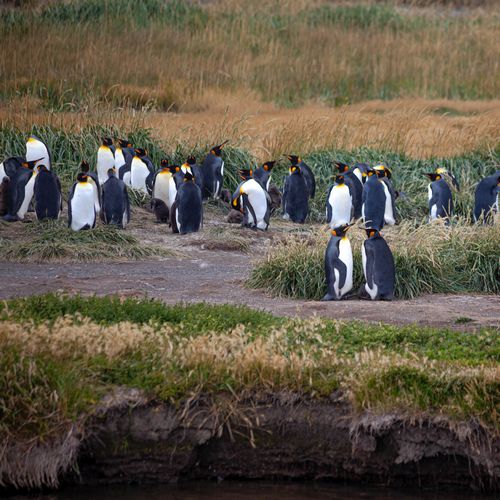
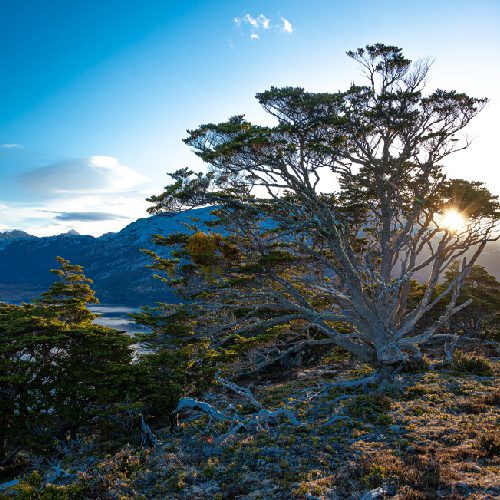
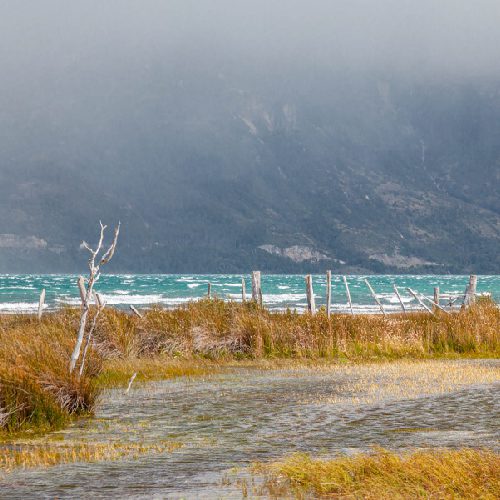
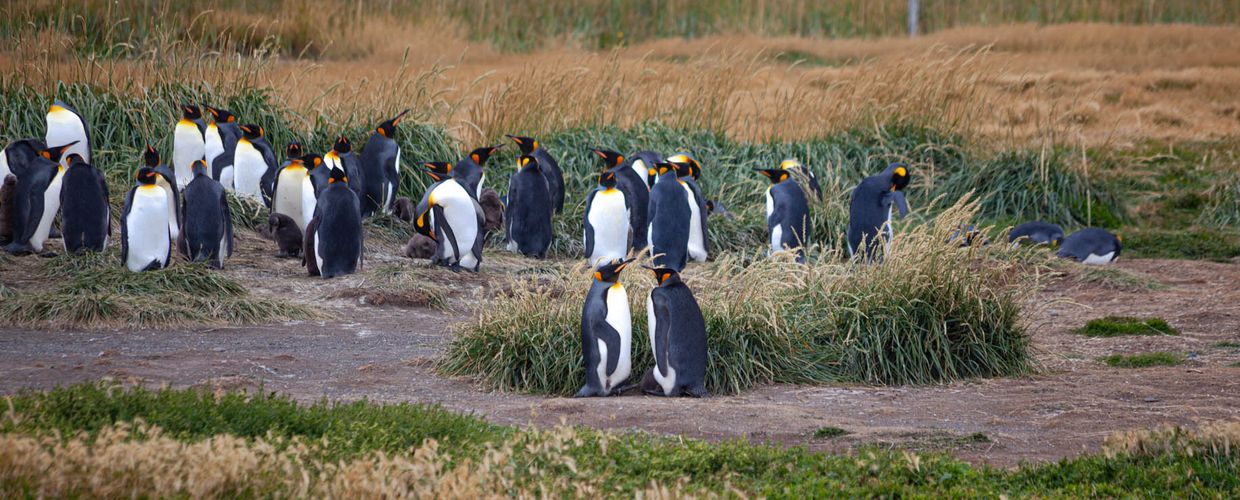
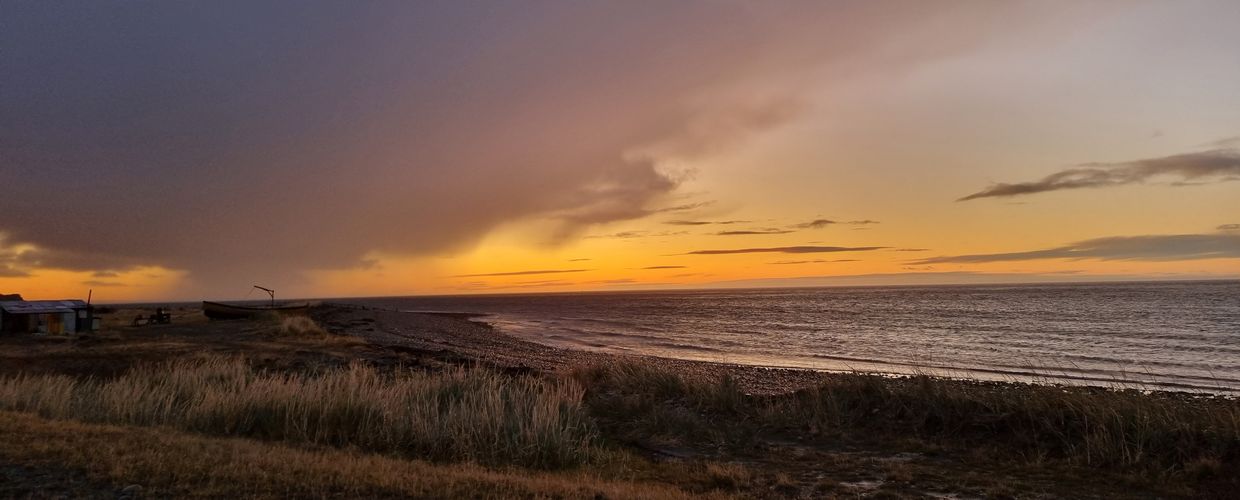
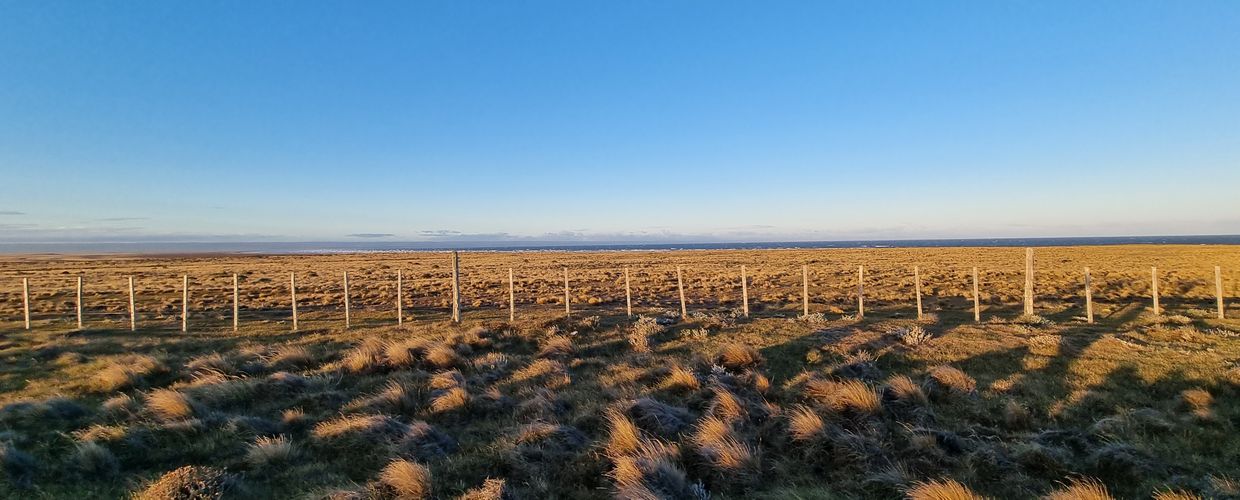
Your journey begins in the late afternoon in Punta Arenas, before crossing the Strait of Magellan into Tierra del Fuego. Over seven days, experience the striking contrasts of the far south—from open pampas and the King Penguin colony to the island’s estancia culture.
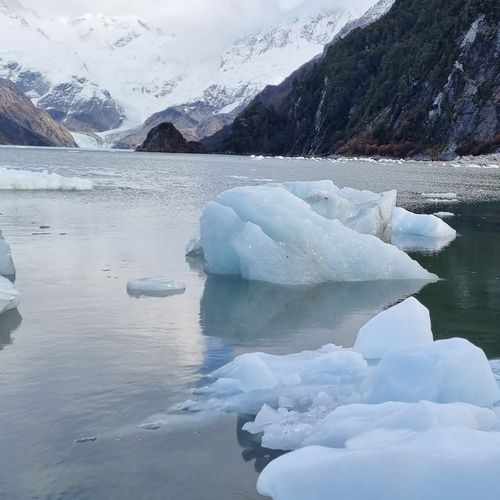
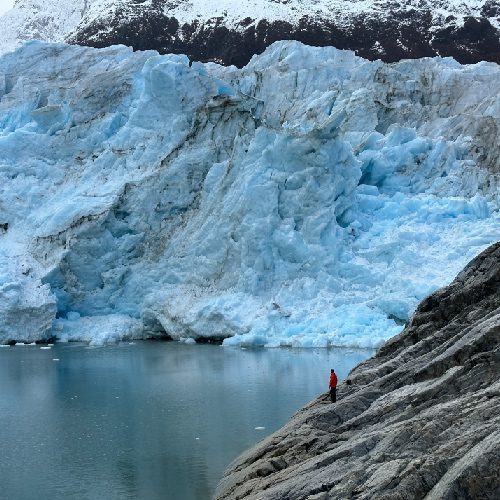
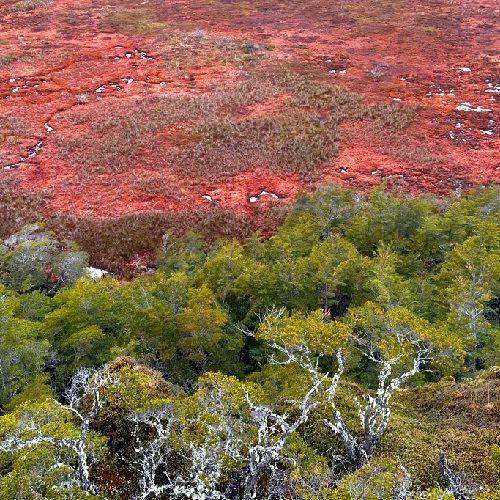
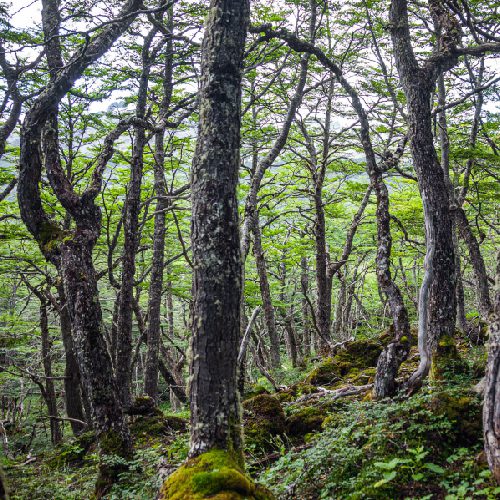
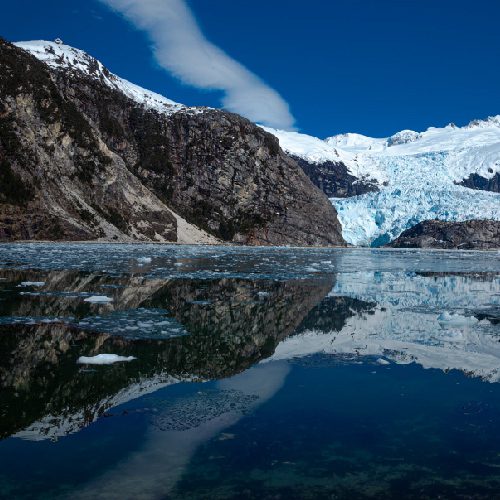
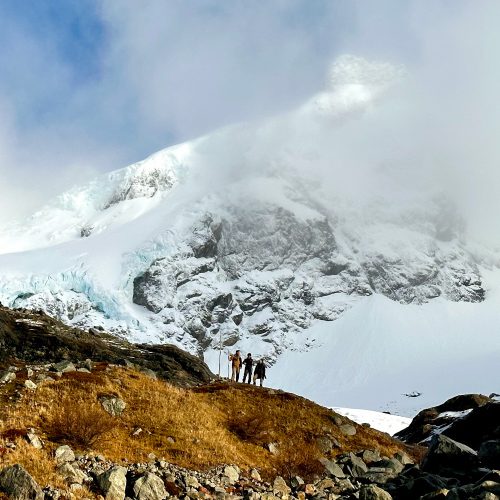
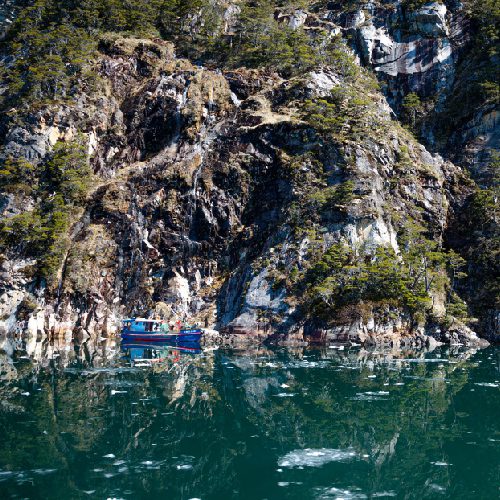
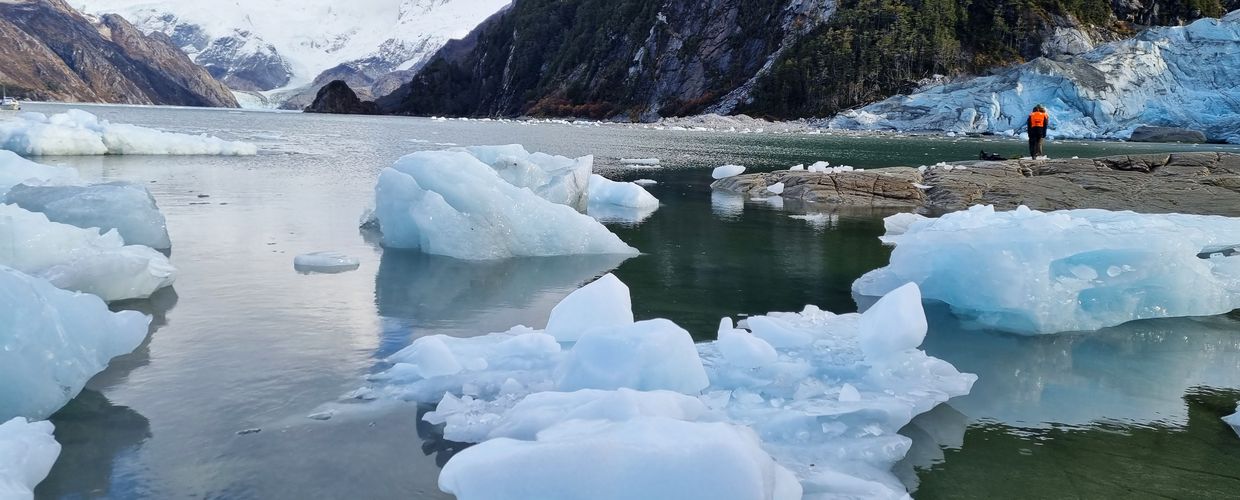
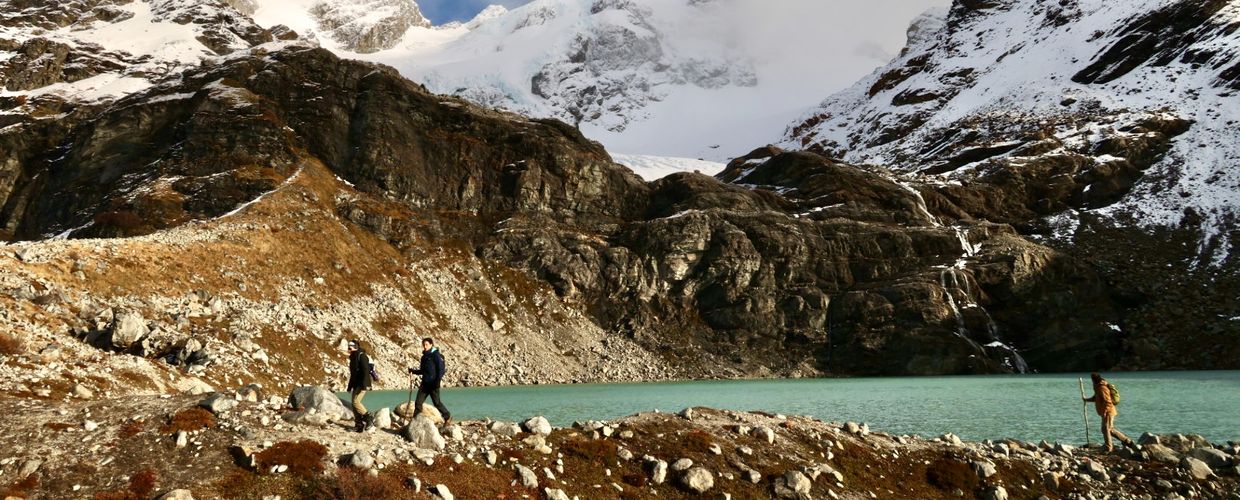
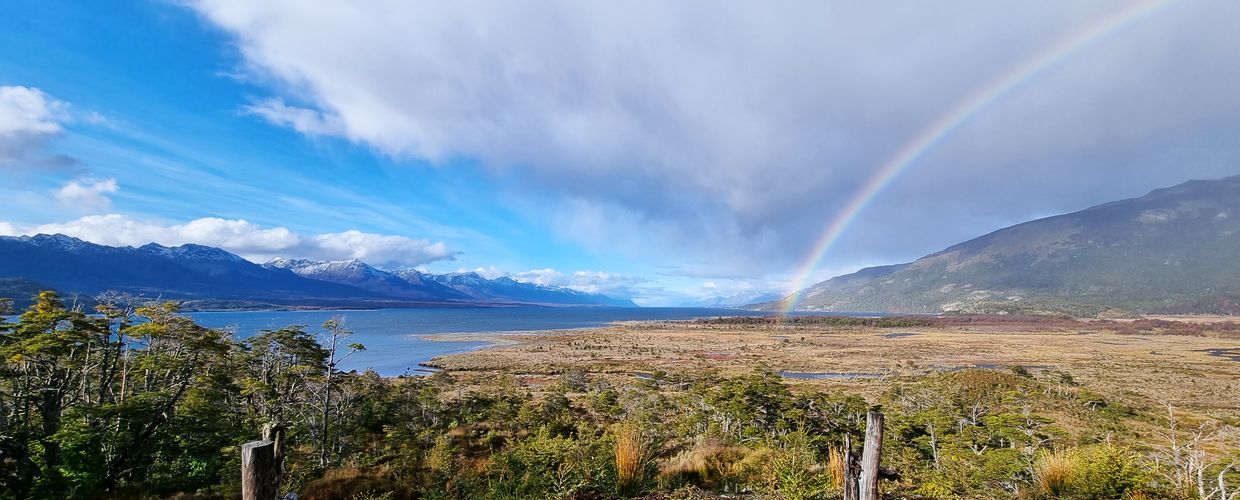
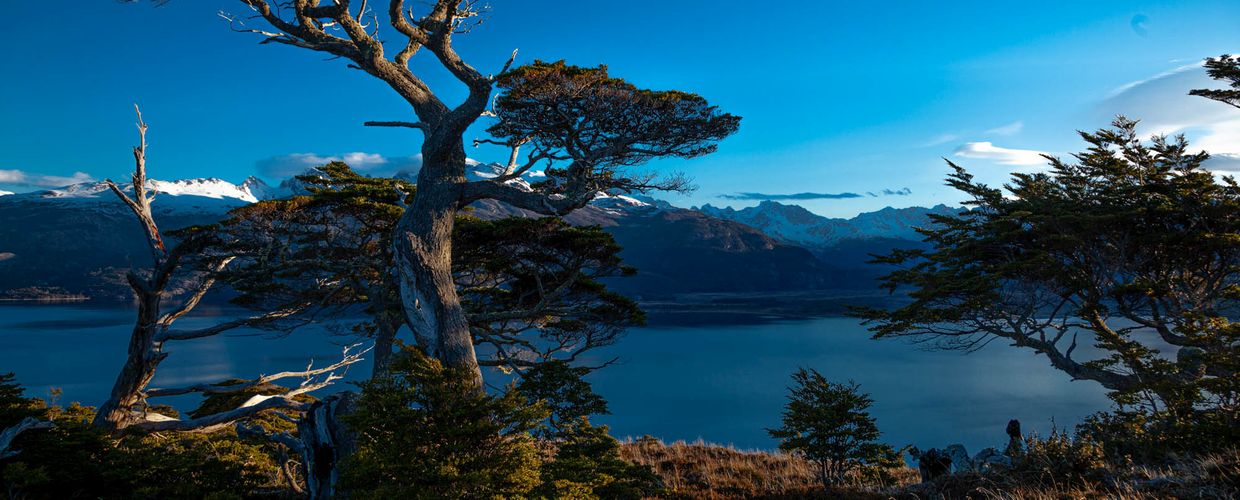
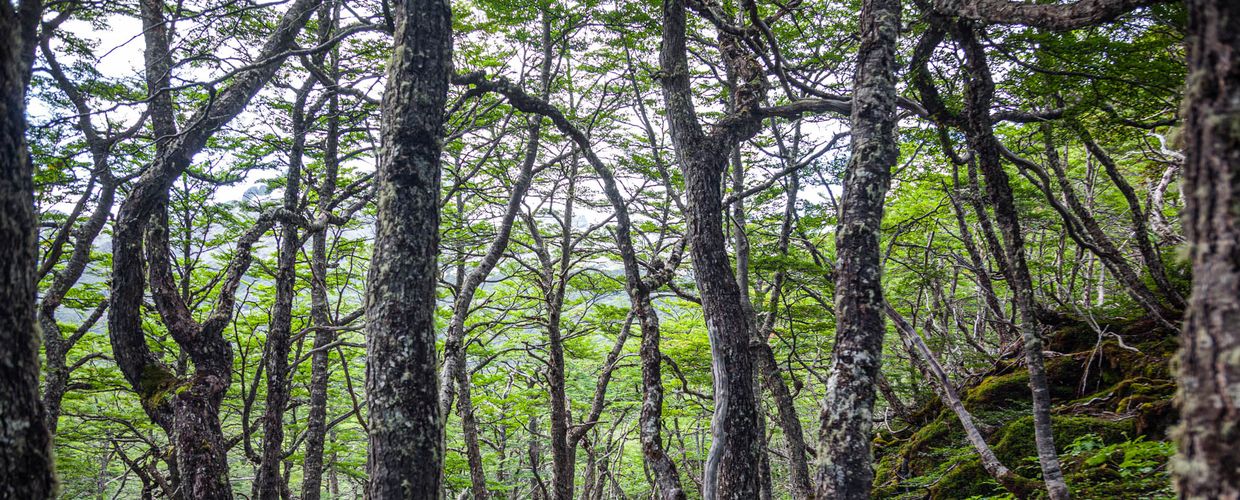
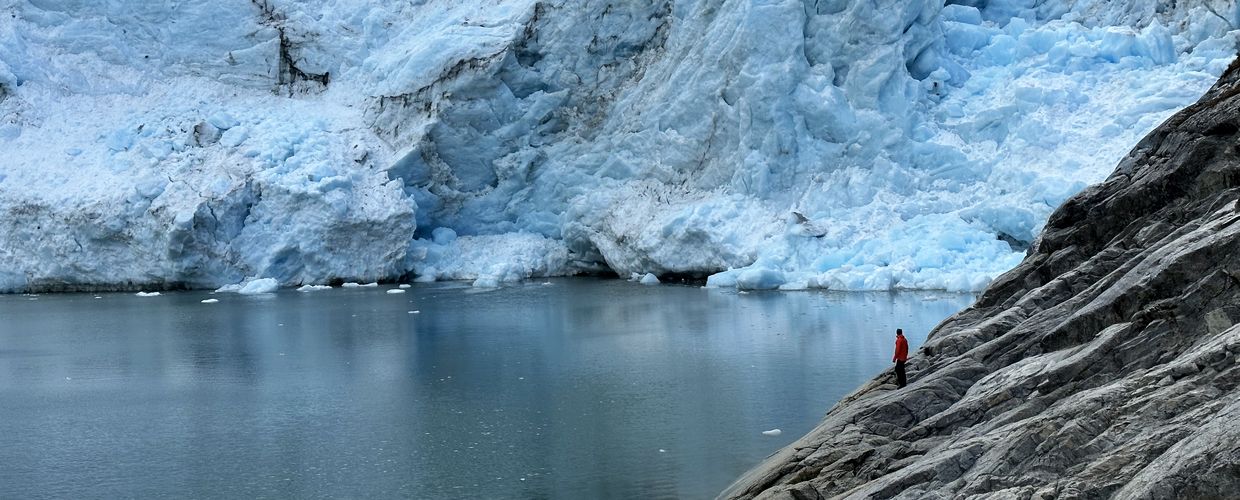
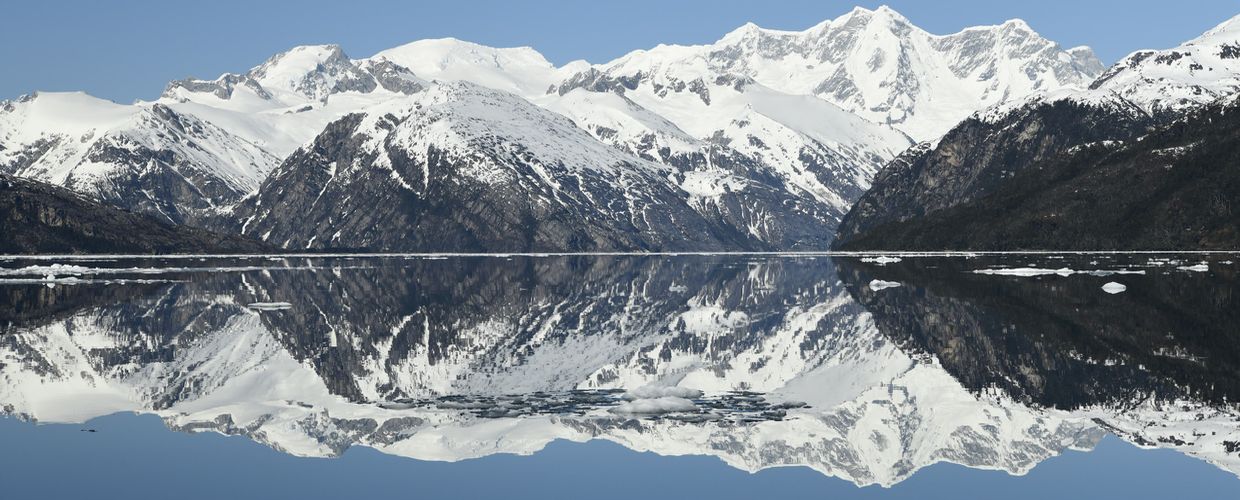
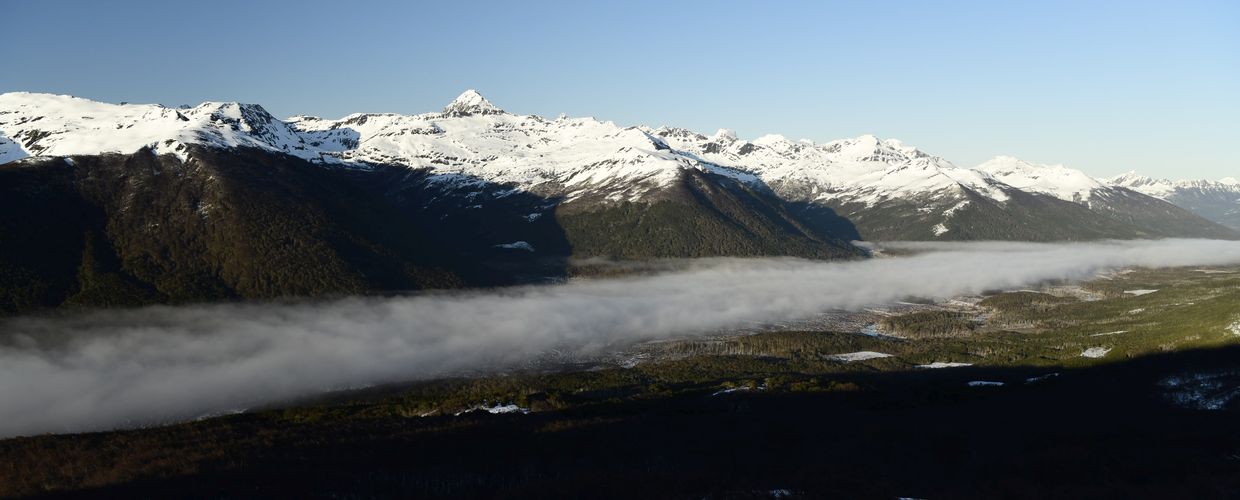
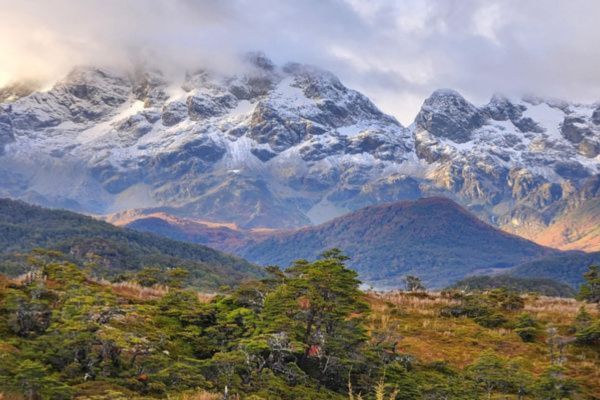
Hike through Patagonian forests and navigate remote fjords surrounded by glaciers, with views of the Darwin Mountain Range and time in the pristine wilderness of Yendegaia National Park.
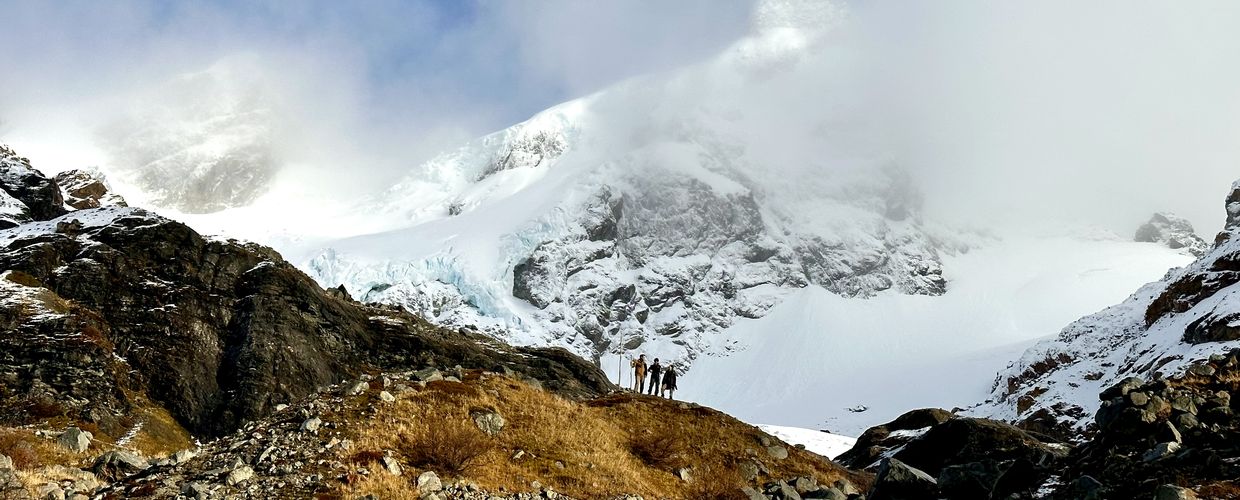
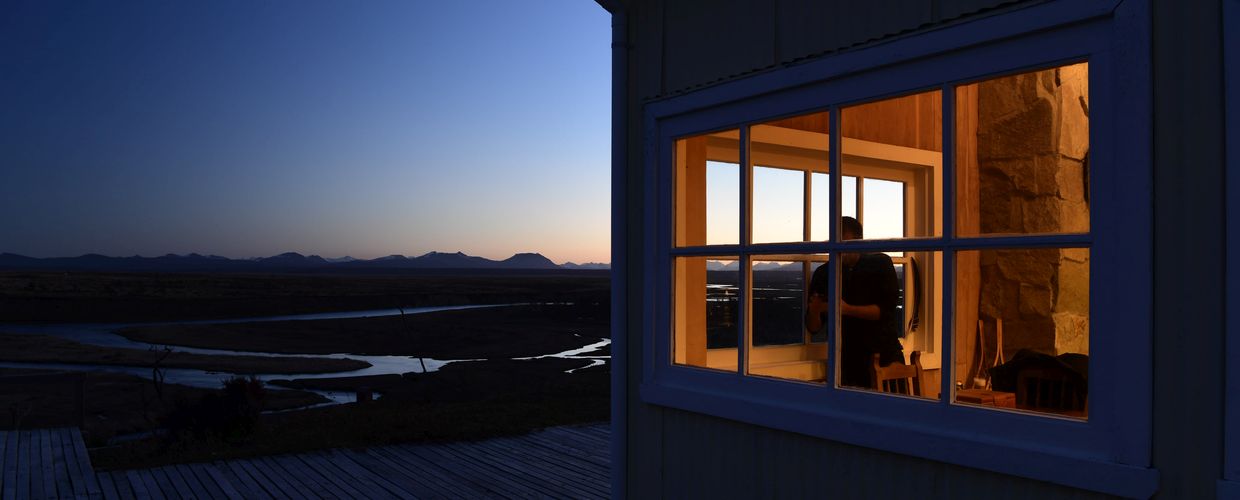
A moderate level of physical fitness is recommended, as routes cross varied terrain and changing weather conditions. Evenings are spent in traditional accommodations hosted by local families.
Tierra del Fuego holds within its lands a fascinating history. At the southernmost tip of America, where fire and ice intertwine, lies this territory of untamed beauty and awe-inspiring landscapes. Since ancient times, the indigenous tribes of Yámanas and Selk’nam inhabited these inhospitable lands, bravely adapting to their hostile environment. Their rich cultures and ancestral traditions still resonate in its mists.
It was in 1520 when the Portuguese navigator, Fernando de Magallanes, spotted the lights of bonfires burning on the coast and named this region Tierra del Fuego. Since then, daring explorers and seekers of wealth ventured into these turbulent waters and wild lands in search of treasures and new trade routes. However, the region’s challenging nature and relentless weather conditions turned Tierra del Fuego into a feared and respected place.
In the 19th century, the gold rush, sheep wool production, and timber industry attracted numerous settlers. However, as time passed, the region transformed into a starting point for scientific expeditions and Antarctic explorations, becoming a gateway to the last edge of the world.
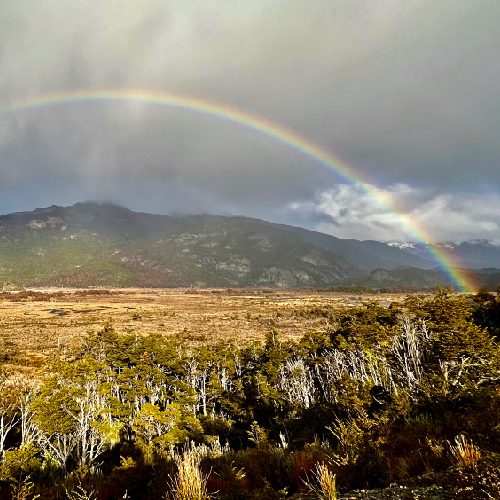
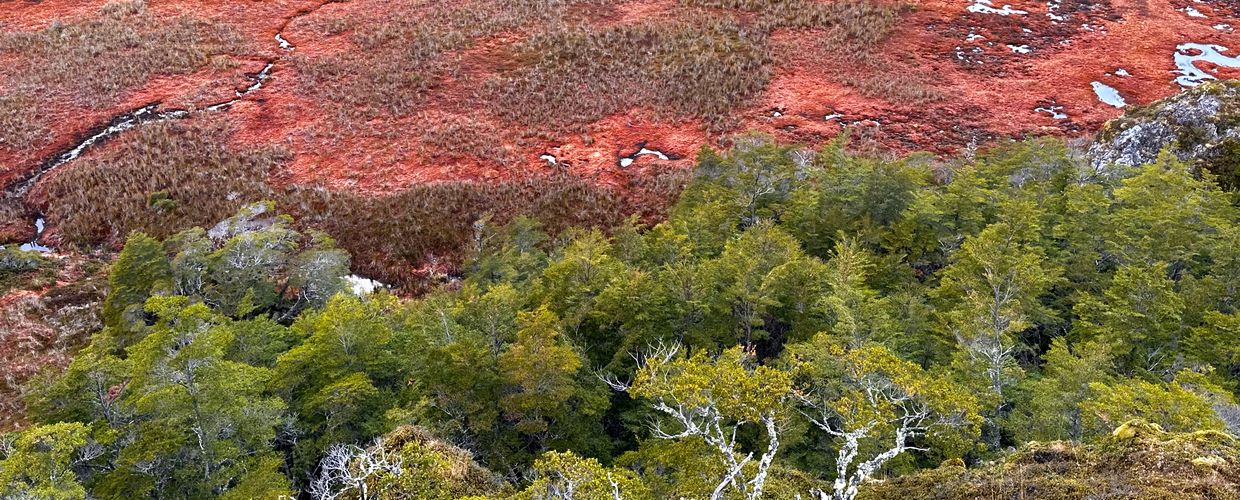
Today, Tierra del Fuego lures travelers with its wild and majestic nature. Its parks are home to unique places with lush forests, imposing mountains, ancient peat bogs, and pristine glaciers. Adventurers venture into these territories, feeling the wind of the end of the world with every step.
Tierra del Fuego, a land of contrasts, holds within the essence of its settlers a history full of courage and exploration. Through the centuries, it has witnessed the struggle of humankind to conquer and understand its surroundings.
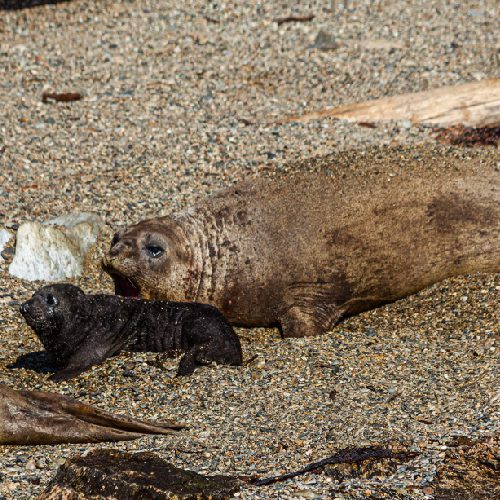
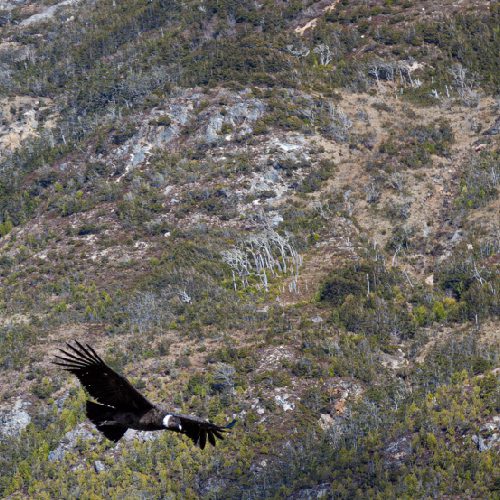
In addition to the incredible King Penguins, a rich fauna exists throughout the island and fjords.
The Strait of Magellan is an important maritime route located at the southern tip of South America. In 1520, it was first navigated by a European vessel led by the Portuguese explorer Hernando de Magallanes. The Strait of Magellan connects the Atlantic and Pacific Oceans, providing an alternative for trade and navigation between both oceans.
The strait has an approximate length of 570 kilometers and a width that varies between 2 and 32 kilometers in different sections. Navigating through it poses challenges due to strong currents, intense winds, and ever-changing weather conditions in the region.
Throughout the centuries, the Strait of Magellan has been used as a crucial route for maritime trade, especially during the era of sailing ships. It has also been the setting for numerous scientific expeditions and explorations.
Today, the strait is traversed by cargo ships, cruise liners, and fishing vessels. Additionally, its natural beauty and historical significance attract people who wish to explore this fascinating maritime passage.
Tierra del Fuego holds within its lands a fascinating history. At the southernmost tip of America, where fire and ice intertwine, lies this territory of untamed beauty and awe-inspiring landscapes. Since ancient times, the indigenous tribes of Yámanas and Selk’nam inhabited these inhospitable lands, bravely adapting to their hostile environment. Their rich cultures and ancestral traditions still resonate in its mists.
It was in 1520 when the Portuguese navigator, Fernando de Magallanes, spotted the lights of bonfires burning on the coast and named this region Tierra del Fuego. Since then, daring explorers and seekers of wealth ventured into these turbulent waters and wild lands in search of treasures and new trade routes. However, the region’s challenging nature and relentless weather conditions turned Tierra del Fuego into a feared and respected place.
In the 19th century, the gold rush, sheep wool production, and timber industry attracted numerous settlers. However, as time passed, the region transformed into a starting point for scientific expeditions and Antarctic explorations, becoming a gateway to the last edge of the world.
Today, Tierra del Fuego lures travelers with its wild and majestic nature. Its parks are home to unique places with lush forests, imposing mountains, ancient peat bogs, and pristine glaciers. Adventurers venture into these territories, feeling the wind of the end of the world with every step.
Tierra del Fuego, a land of contrasts, holds within the essence of its settlers a history full of courage and exploration. Through the centuries, it has witnessed the struggle of humankind to conquer and understand its surroundings.
In addition to the incredible King Penguins, a rich fauna exists throughout the island and fjords.
The Strait of Magellan is an important maritime route located at the southern tip of South America. In 1520, it was first navigated by a European vessel led by the Portuguese explorer Hernando de Magallanes. The Strait of Magellan connects the Atlantic and Pacific Oceans, providing an alternative for trade and navigation between both oceans.
The strait has an approximate length of 570 kilometers and a width that varies between 2 and 32 kilometers in different sections. Navigating through it poses challenges due to strong currents, intense winds, and ever-changing weather conditions in the region.
Throughout the centuries, the Strait of Magellan has been used as a crucial route for maritime trade, especially during the era of sailing ships. It has also been the setting for numerous scientific expeditions and explorations.
Today, the strait is traversed by cargo ships, cruise liners, and fishing vessels. Additionally, its natural beauty and historical significance attract people who wish to explore this fascinating maritime passage.