The temperatures in Iceland’s broad variety of landscapes vary considerably. That is why it’s very important to be prepared when exploring its vast territories.
Explora provides trekking poles and a reusable water bottle, and will provide additional personal safety equipment when required during explorations.
Clothing & Layering
- Base layer: Breathable top and bottom (merino wool or synthetic)
- Mid layer: Thermal fleece or merino
- Insulation layer: Down or synthetic jacket
- Outer layer: Waterproof and windproof jacket and pants
- Long sleeve thermal tops
- Trekking pants (thermal or softshell recommended)
- Waterproof over-pants
- Thermal trekking socks
Footwear
- Waterproof trekking boots with good grip (for snow and ice)
- Comfortable shoes (for the lodge)
Head & Hands
- Warm hat (wool or insulated)
- Buff or neck gaiter
- Waterproof thermal gloves
- Insulated gloves or mittens (recommended extra pair)
Gear
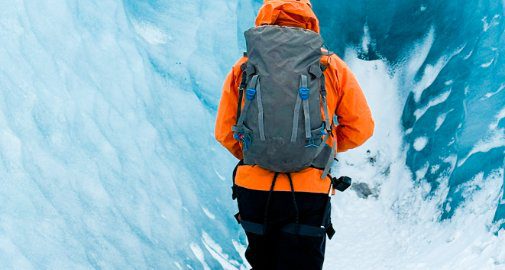
- Small backpack (approx. 25L) with rain cover
- Sunglasses (UV protection)
- Headlamp
- Sunscreen (SPF 50 recommended)
Hydration & Essentials
- 1-liter water bottle (insulated preferred)
- Swimsuit (for hot springs)
- Shower sandals
Optional but Recommended
- Plug adapter (Type C or F)
- External battery pack (cold drains batteries quickly)
- Cash
- Hand and foot warmers
- Lip balm with SPF
- Moisturizer
Climate
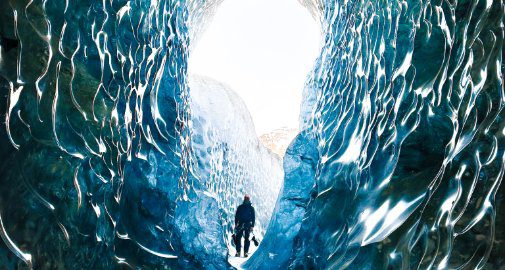
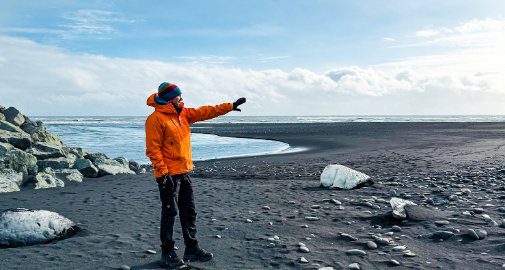
Iceland in winter is a territory defined by contrast — between darkness and sudden, luminous clarity. Each departure month carries its own rhythm of light, temperature, and sky.
December
Deep winter
February — March
Winter’s turning point
Daylight hours
4–5 hrs
Darkness guides the day — transfers happen under night skies, preserving the scarce light for exploration.
Daylight hours
8–9 hrs
Days lengthen noticeably, opening more hours for exploration as Iceland begins its slow return to spring.
Temperatures
−5° to 2°C
Cold holds steady throughout the day. Southern Iceland in its most elemental state.
Temperatures
−5° to 5°C
Lows remain wintry, yet midday warmth begins to rise — the first thermal signals of the season shifting.
Precipitation
Snow & sleet
Frequent and consistent winter precipitation — landscapes blanketed, conditions quiet and immersive.
Precipitation
Snow, sleet & rain
A mix of precipitation types reflects the season in transition. Dynamic, ever-changing skies.