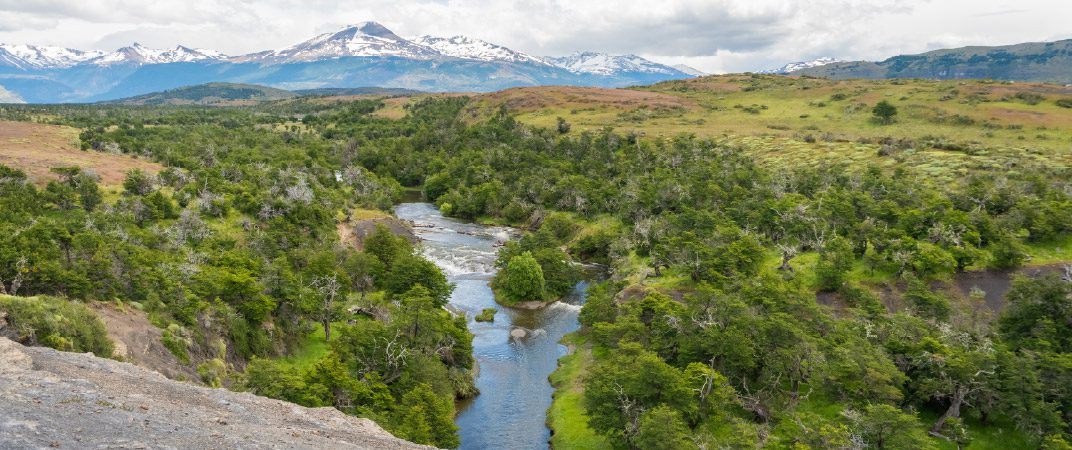
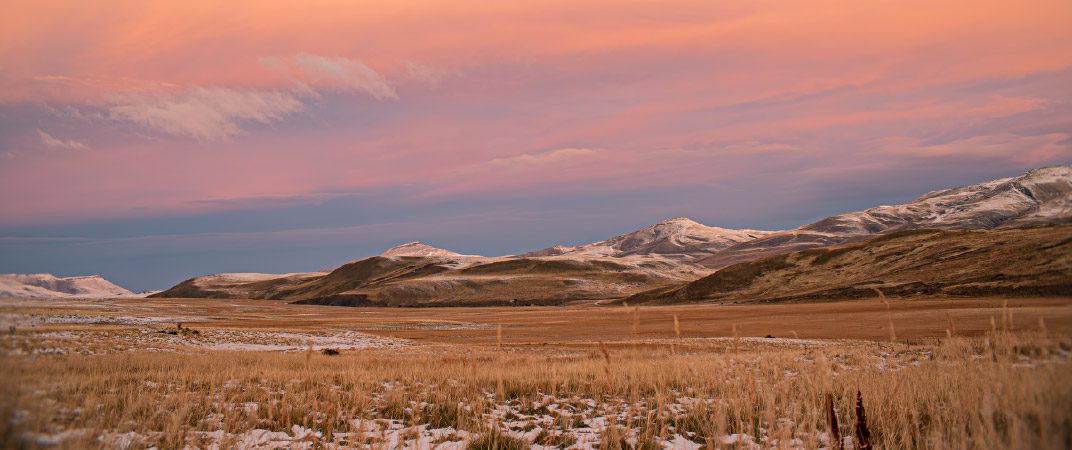
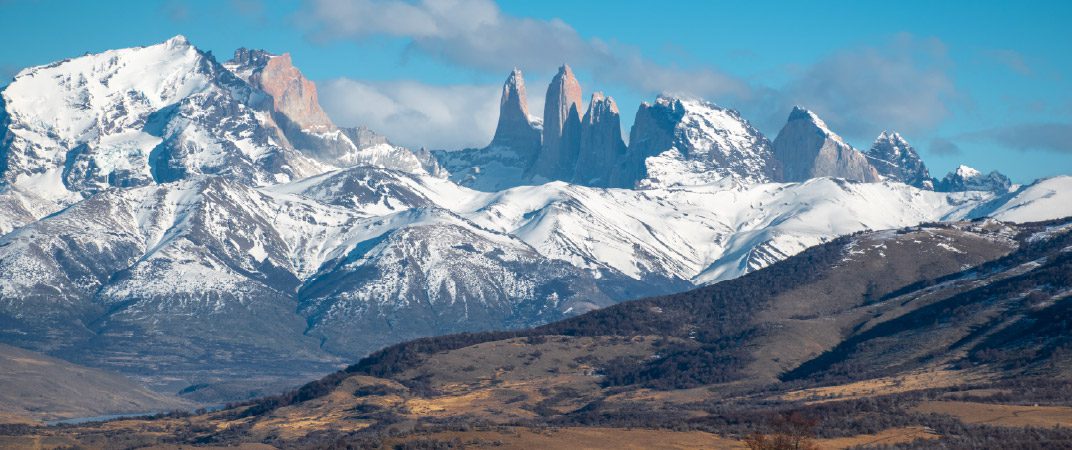
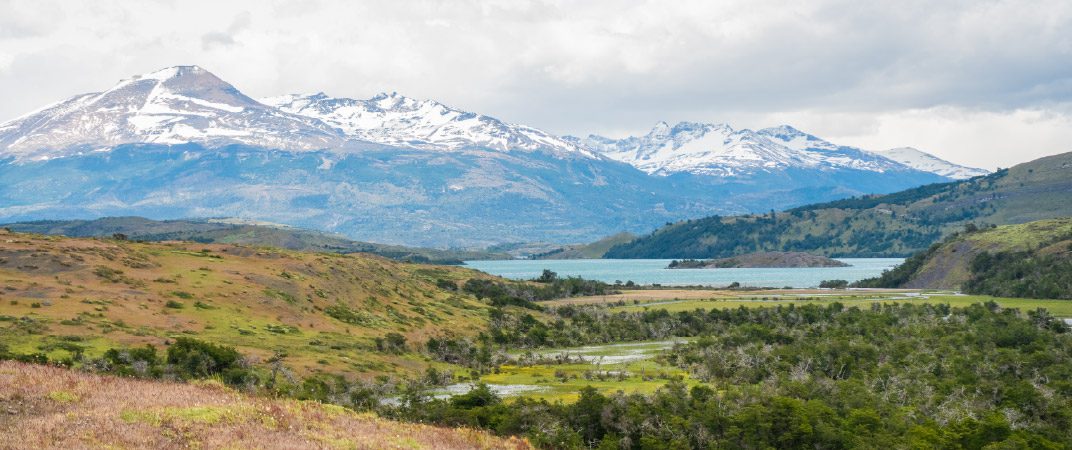
Torres del Paine is one of the world’s most celebrated landscapes, yet just beyond its famed peaks lies another Patagonia – quiet, remote and wild. Within our living conservation reserve, wildlife is returning, and the land breathes freely once more. It’s a place to connect with nature and rediscover time itself.
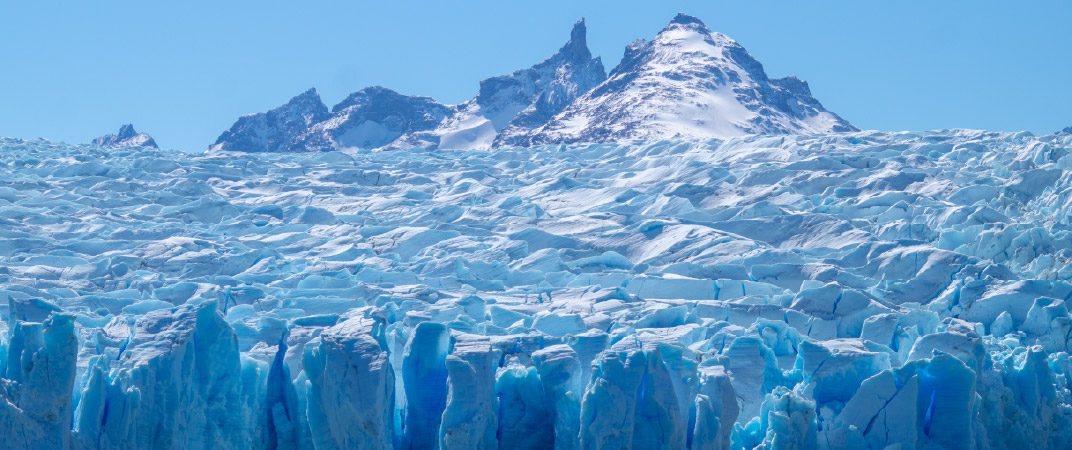
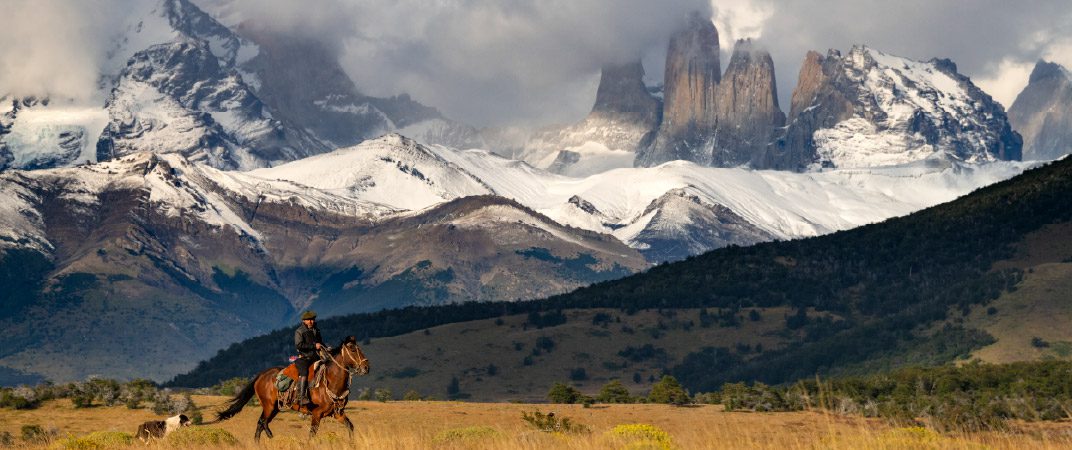
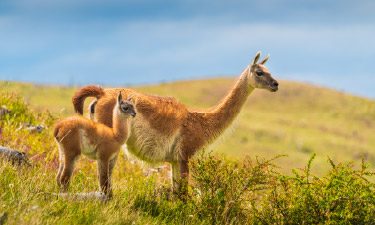
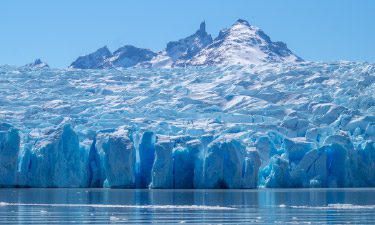
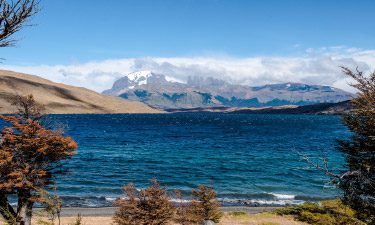
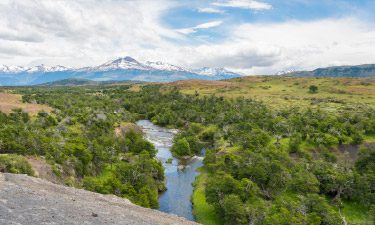

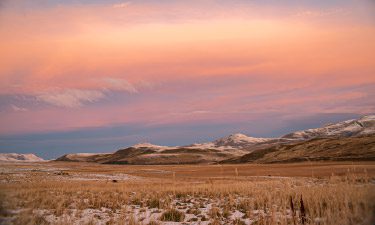
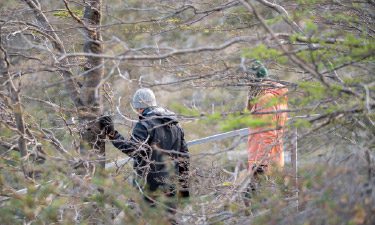
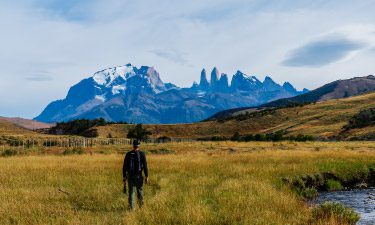
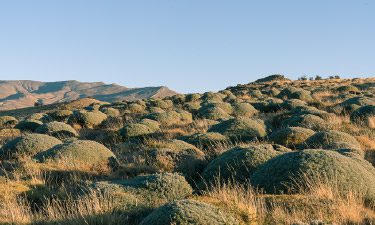
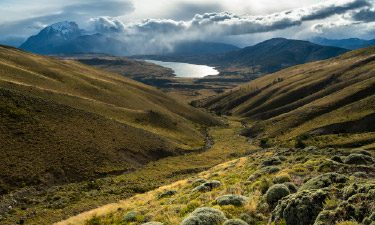
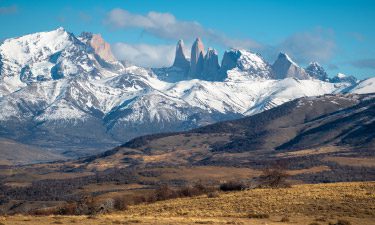
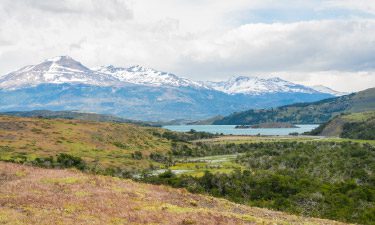
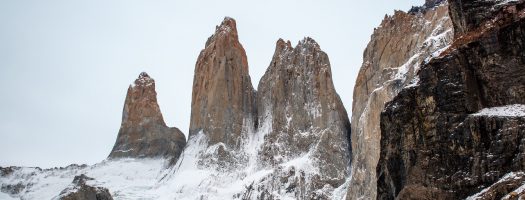
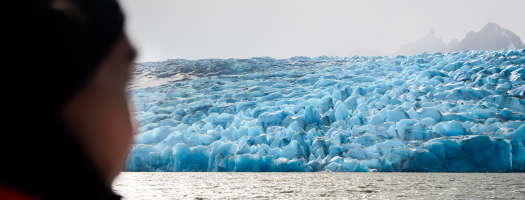

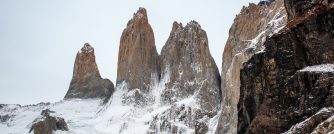
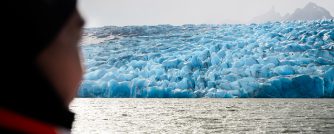

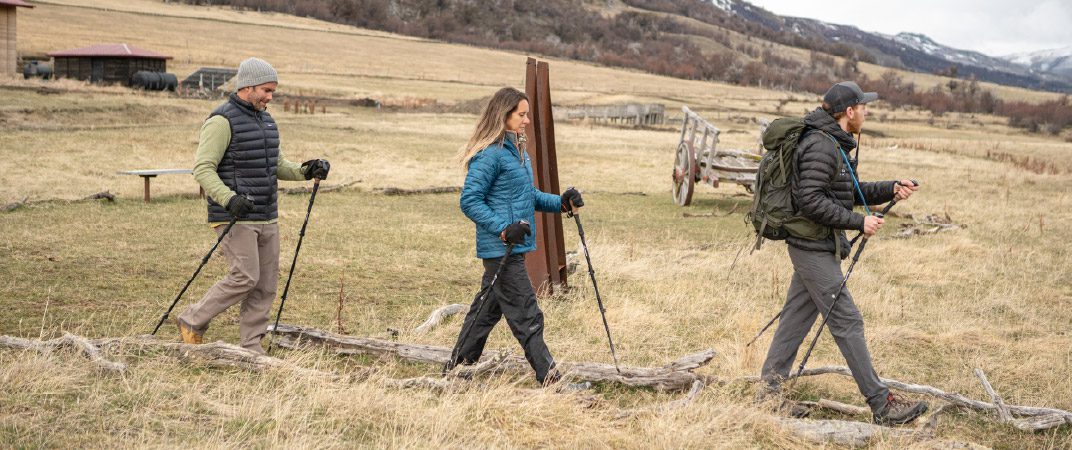
From Base Torres to the Grey Glacier, and far beyond, discover a different perspective of the national park. Our Explorations reveal not only the icons, but also the lesser-known corners: untouched valleys, quiet ridges, and open steppe where few others venture.
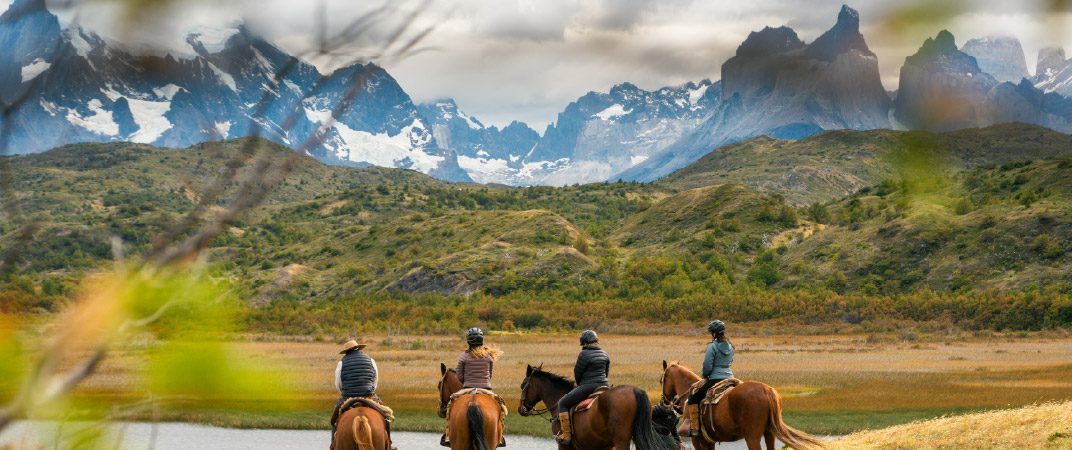
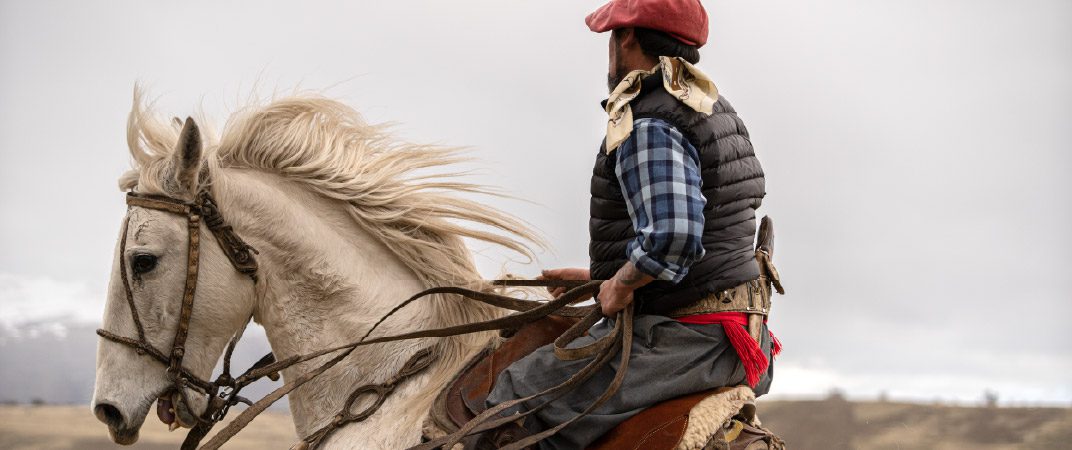
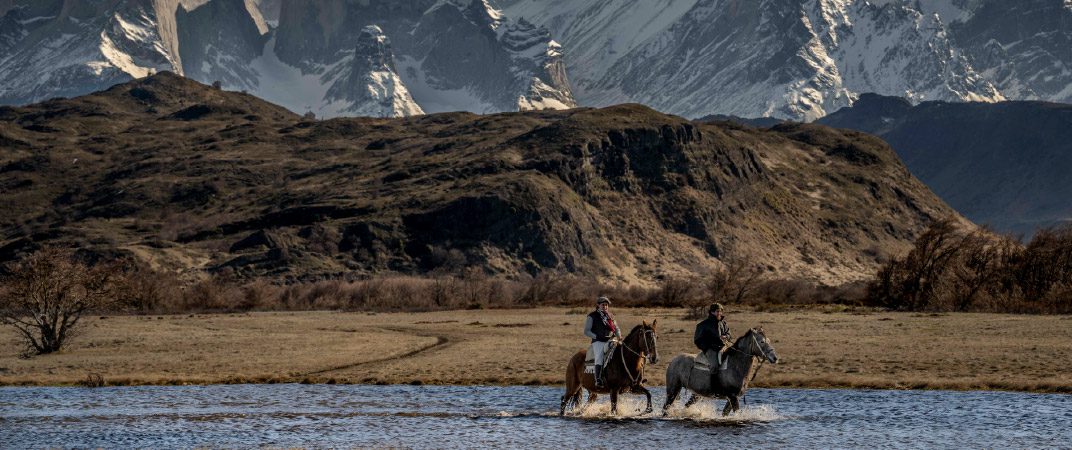
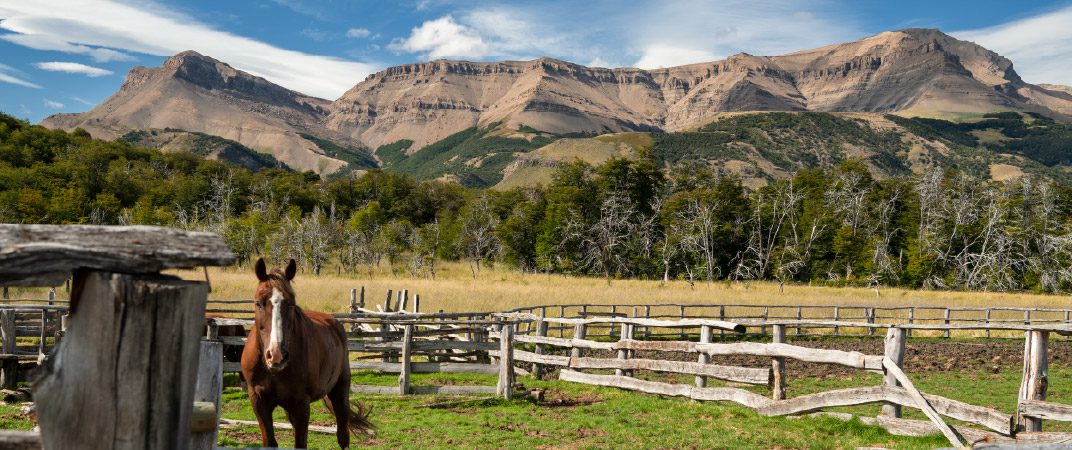
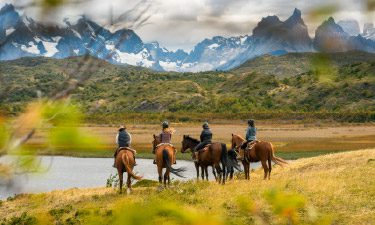
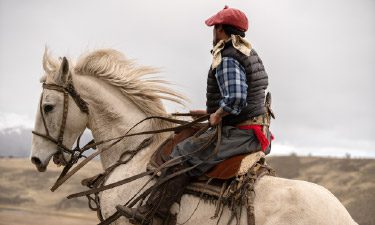
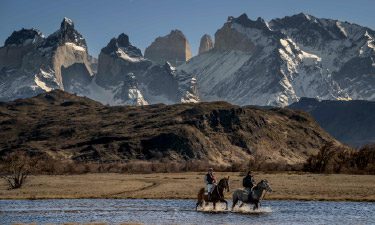
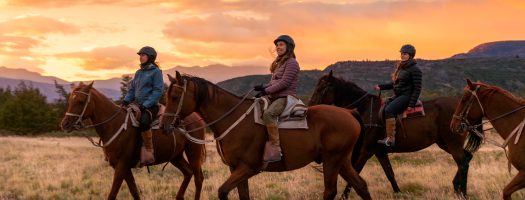
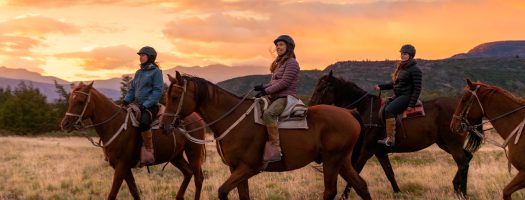
Ride alongside gauchos from our own stables, encounter wildlife up close, and experience Patagonia’s essence through classic and signature explorations designed to go beyond the expected.
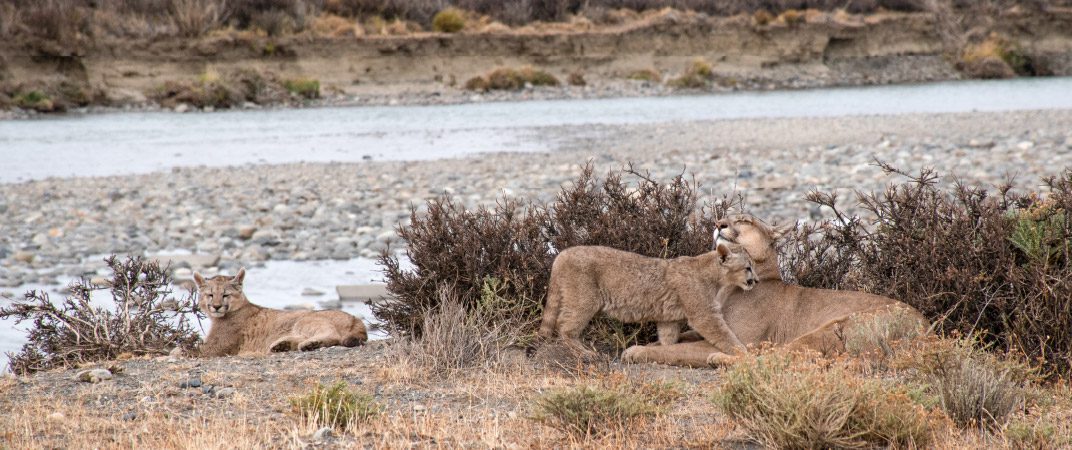
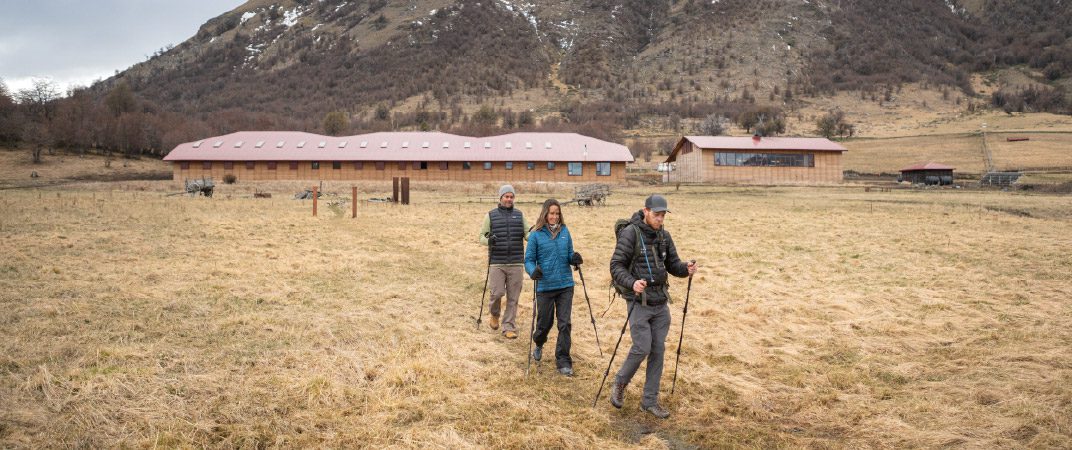
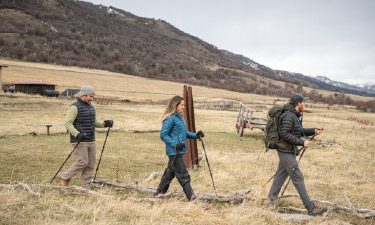
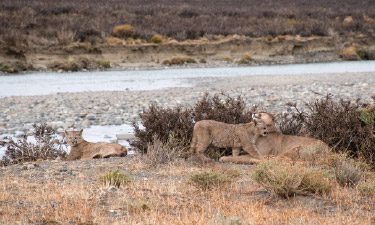
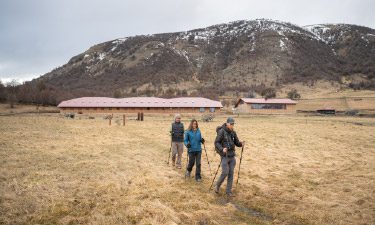
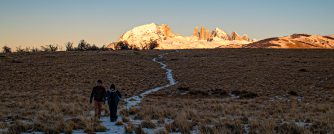
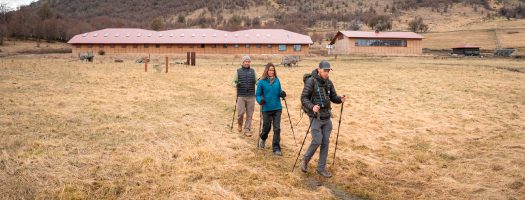
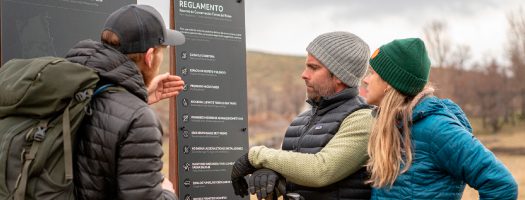
Exploring from the reserve grants you direct access to fossil-rich ridges and sculpted peaks of Sierra Baguales, one of the best regions in the park for observing pumas and native fauna. You may also choose to venture independently along our network of self-guided trails, for moments of stillness and personal discovery.
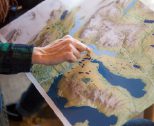
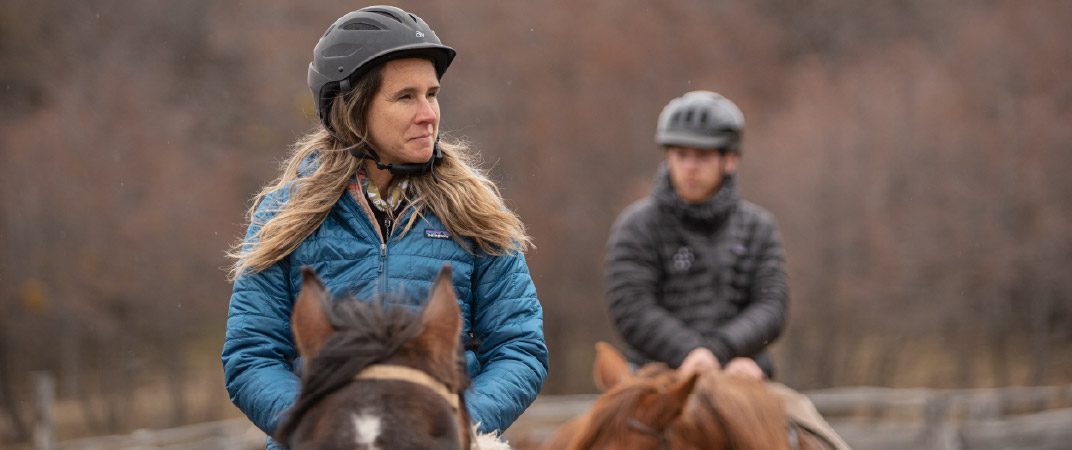
Each evening, our guides help you plan your next day’s journey according to your interests and comfort level, with small-group departures that ensure a more personal experience before returning to the lodge – your Patagonian basecamp for rest and reflection.
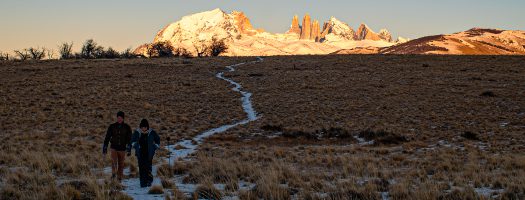
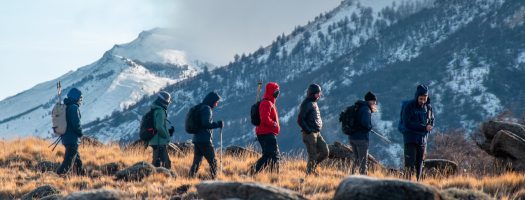
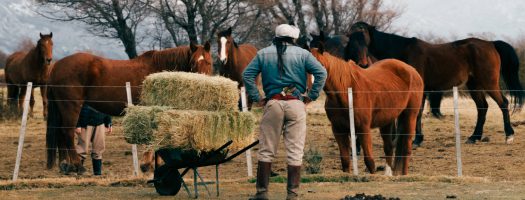
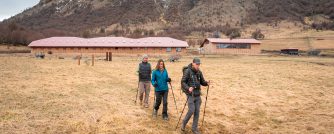

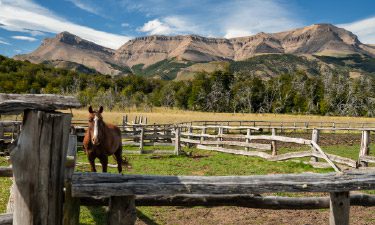
Explora’s team in Torres del Paine includes seasoned guides trained at our own School of Guides, Explora’s park rangers and local gauchos who grew up riding these territory. More than experts, they are hosts, bringing the region’s culture, knowledge, and rhythm to every day’s journey.
Their passion for the outdoors runs deep, as does their respect for the fragility of this extraordinary place. Together, they embody Explora’s enduring commitment to exploration, knowledge, and preservation.
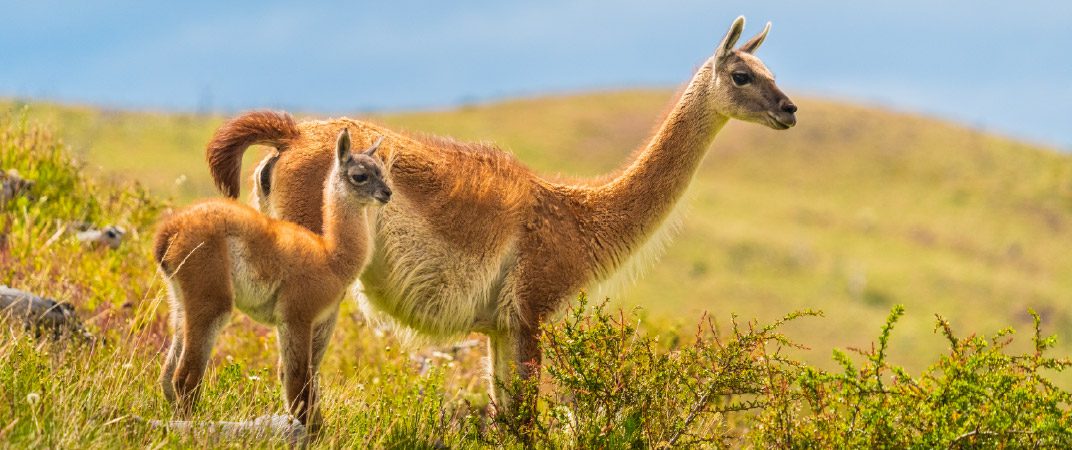
Choose from more than 30 guided Explorations across all four of Torres del Paine Conservation Reserve´s unique zones. Discover the famed granite pillars and the wild Sierra Baguales, autumnal forests, multi-colored lakes, and wildlife habitats where you may spot the guanaco and soaring Andean condor.
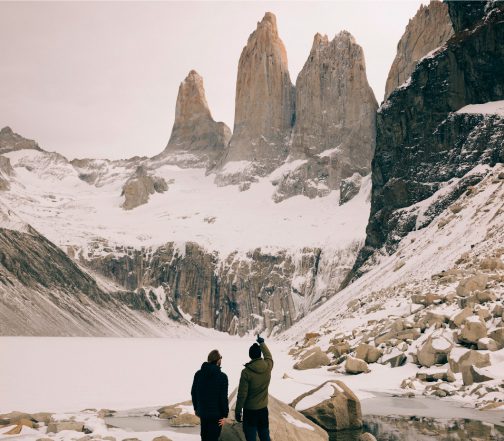
The granite heart of Torres del Paine.
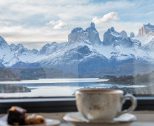
Reach the iconic granite massif from a completely different starting point. This zone covers the northwestern sector of Torres del Paine National Park, where the massif rises from the landscape to form some of Patagonia’s most celebrated landmarks — the Torres del Paine, the Cuernos del Paine, and Glaciar Grey.
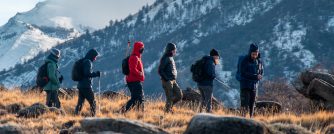
Hike to the base of the Torres, trek through the legendary Valle Francés, and take in the towering walls of the Cuernos. Access combines overland routes and navigation across Lago Pehoé, revealing the massif from angles the classic circuits rarely show. These are the park’s most iconic experiences — guided at Explora’s pace: thoughtfully, unhurriedly, and with room for what the land itself wants to reveal.
The granite heart of Torres del Paine.
Reach the iconic granite massif from a completely different starting point. This zone covers the northwestern sector of Torres del Paine National Park, where the massif rises from the landscape to form some of Patagonia’s most celebrated landmarks — the Torres del Paine, the Cuernos del Paine, and Glaciar Grey.
Hike to the base of the Torres, trek through the legendary Valle Francés, and take in the towering walls of the Cuernos. Access combines overland routes and navigation across Lago Pehoé, revealing the massif from angles the classic circuits rarely show. These are the park’s most iconic experiences — guided at Explora’s pace: thoughtfully, unhurriedly, and with room for what the land itself wants to reveal.
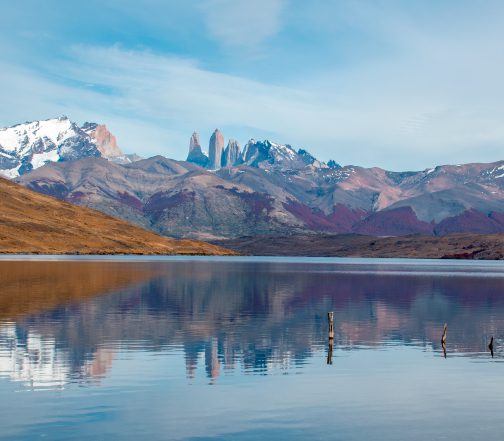
The quieter, wilder side of the park.
Discover the southeastern sector of Torres del Paine National Park — an open territory of Patagonian steppe and interconnected lakes, where wildlife, wetlands, and sweeping views of the massif define the landscape. This is the part of the park where the horizon opens up, and where the life of Patagonia reveals itself in slower, more intimate ways.
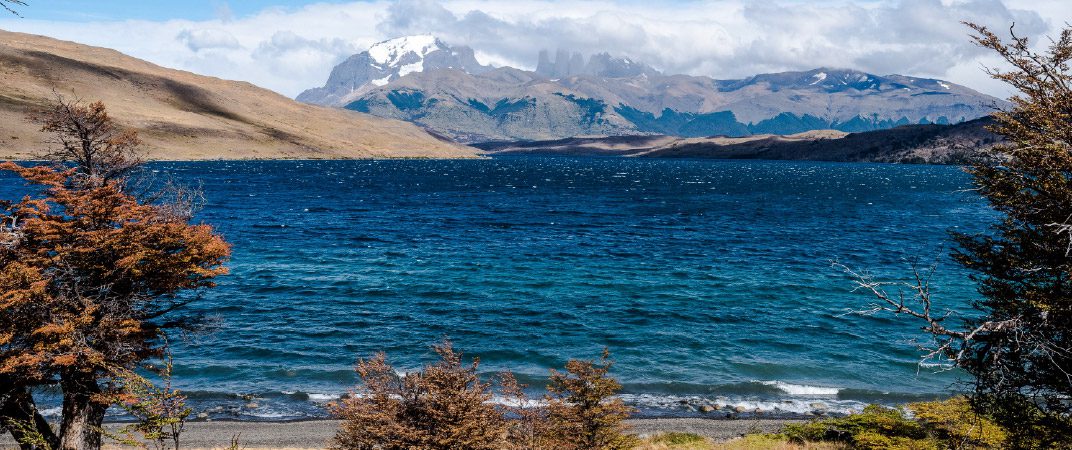
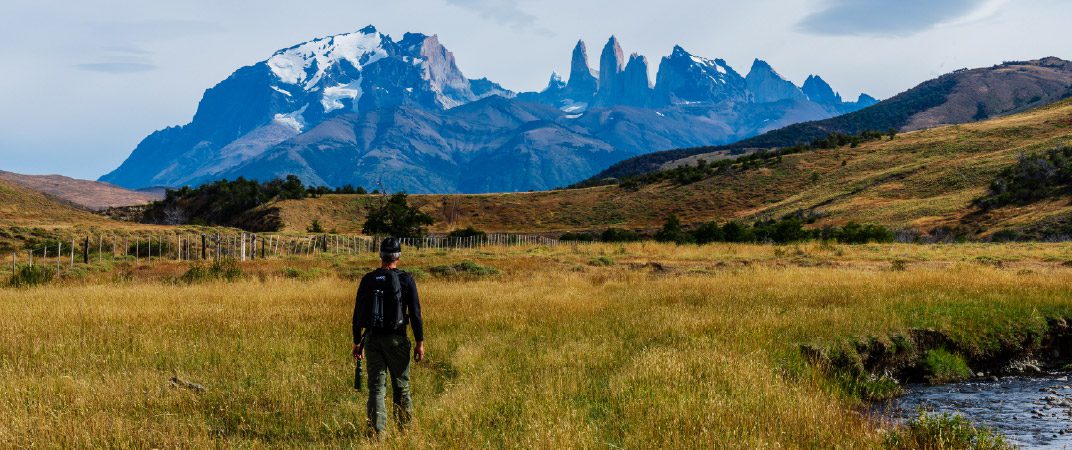
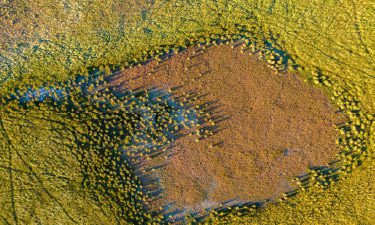
Explore on foot or overland through sectors like Laguna Azul, Lago Sarmiento, and Laguna Amarga, along with wetlands such as Vega Castillo. Follow wildlife corridors where guanacos graze freely, spot extraordinary birdlife, and walk landscapes where the granite towers appear on the horizon like a distant, watchful presence.
The quieter, wilder side of the park.
Discover the southeastern sector of Torres del Paine National Park — an open territory of Patagonian steppe and interconnected lakes, where wildlife, wetlands, and sweeping views of the massif define the landscape. This is the part of the park where the horizon opens up, and where the life of Patagonia reveals itself in slower, more intimate ways.
Explore on foot or overland through sectors like Laguna Azul, Lago Sarmiento, and Laguna Amarga, along with wetlands such as Vega Castillo. Follow wildlife corridors where guanacos graze freely, spot extraordinary birdlife, and walk landscapes where the granite towers appear on the horizon like a distant, watchful presence.
The heart of Explora’s Conservation Reserve.
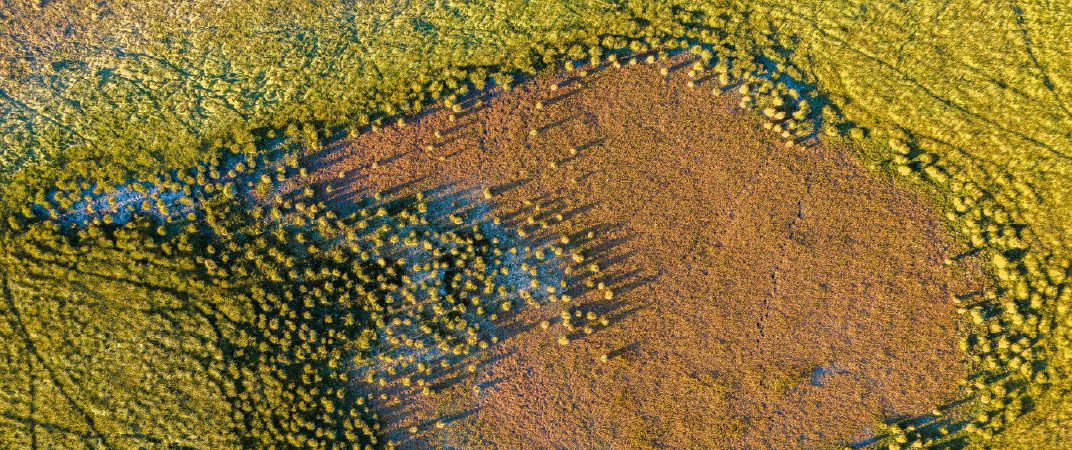
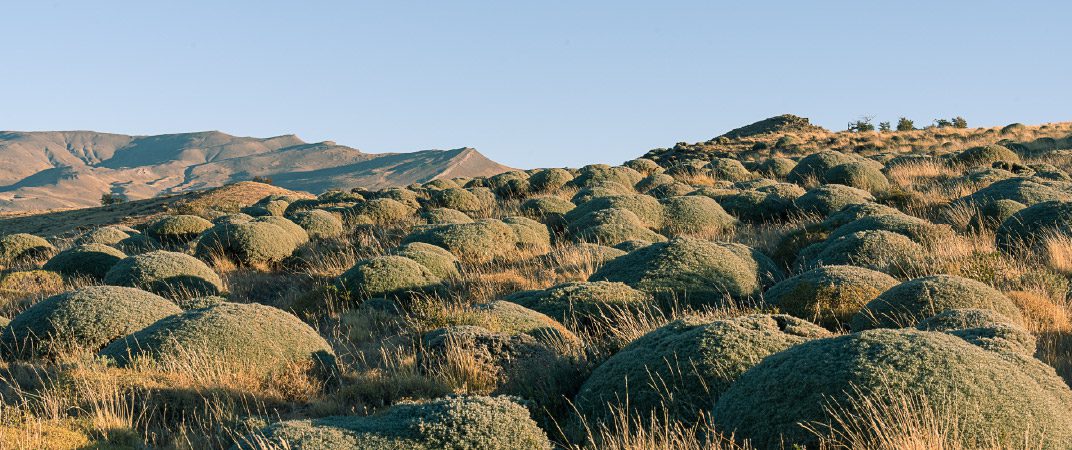
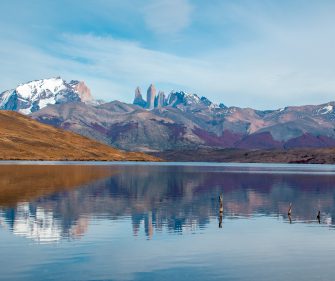
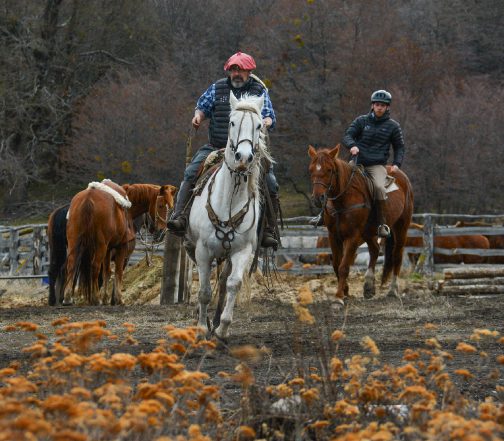
Step directly into Explora’s private 6,000-hectare Conservation Reserve — a protected territory that connects Torres del Paine National Park with broader Patagonian landscapes. Here, steppe, lakes, and native wildlife coexist within a territory actively managed under a philosophy of restoration and conservation.
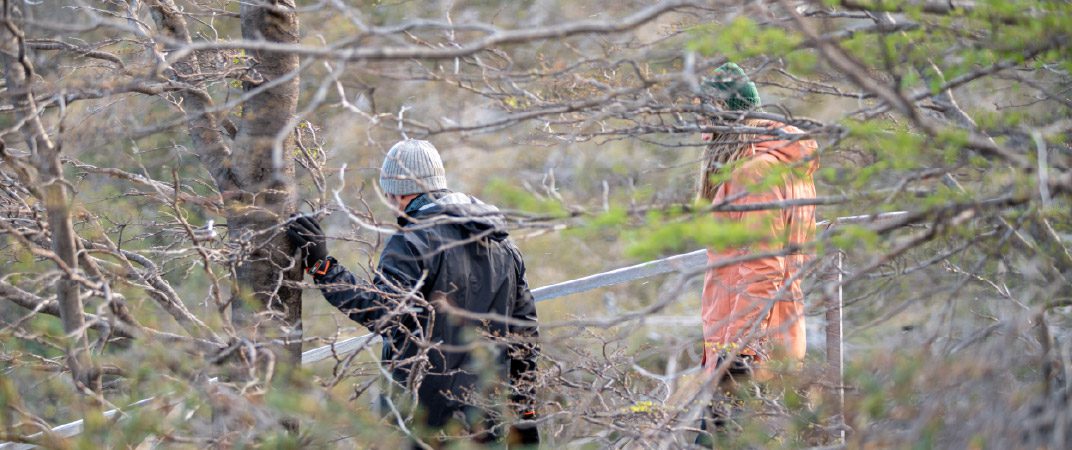
Hike, ride horseback, or follow self-guided trails across lagoons, valleys, and former estancias whose histories are still written into the land. This is where Explora’s restoration work unfolds, where native wildlife is returning, and where every exploration becomes part of a living commitment to regenerate the landscape. A place to slow down — and to understand what it means to travel as part of the place, not apart from it.
The heart of Explora’s Conservation Reserve.
Step directly into Explora’s private 6,000-hectare Conservation Reserve — a protected territory that connects Torres del Paine National Park with broader Patagonian landscapes. Here, steppe, lakes, and native wildlife coexist within a territory actively managed under a philosophy of restoration and conservation.
Hike, ride horseback, or follow self-guided trails across lagoons, valleys, and former estancias whose histories are still written into the land. This is where Explora’s restoration work unfolds, where native wildlife is returning, and where every exploration becomes part of a living commitment to regenerate the landscape. A place to slow down — and to understand what it means to travel as part of the place, not apart from it.
Off the map, into deep time.
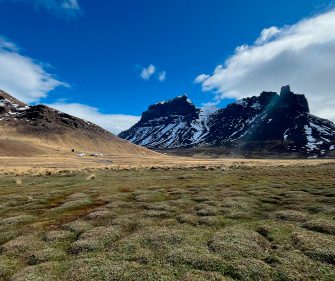
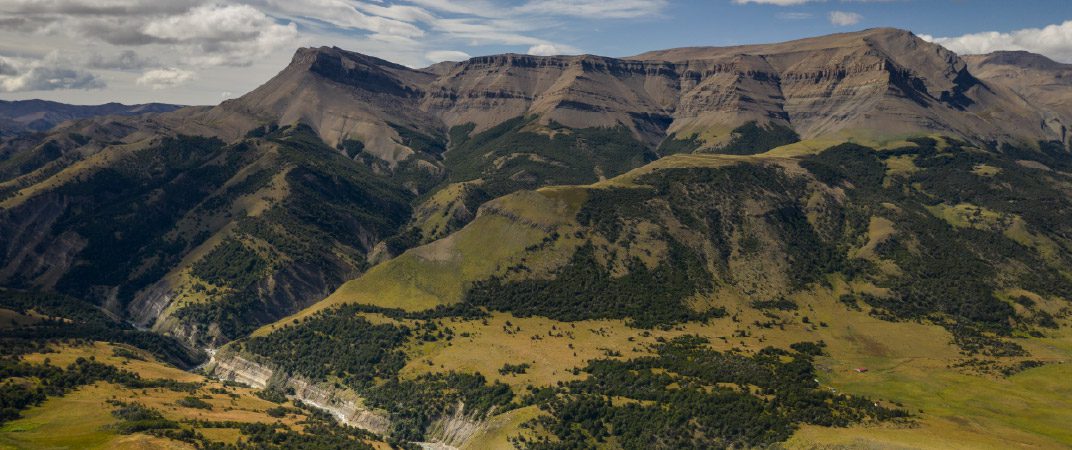
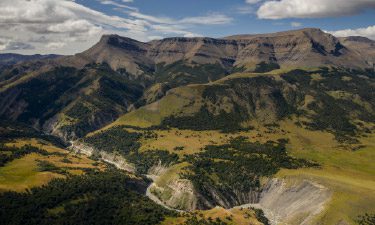
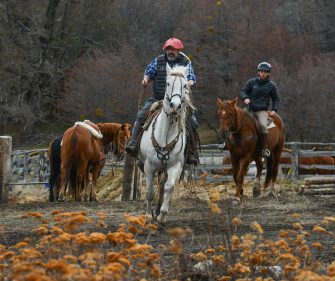
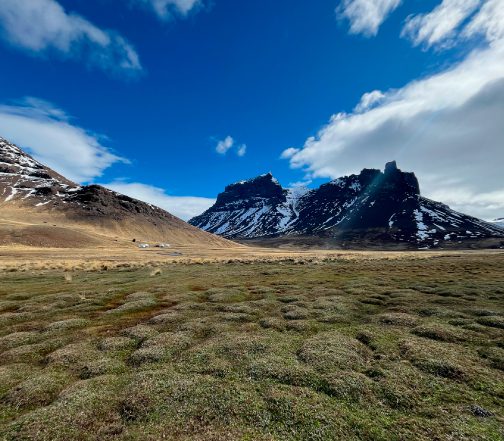
Venture into one of Patagonia’s most remote and least explored territories. Located northeast of the Conservation Reserve, near the border between Chile and Argentina, Sierra Baguales is a landscape of ancient geological formations, vast open valleys, and fossils that predate the Andes themselves — a place where the earth’s oldest chapters surface with every season.
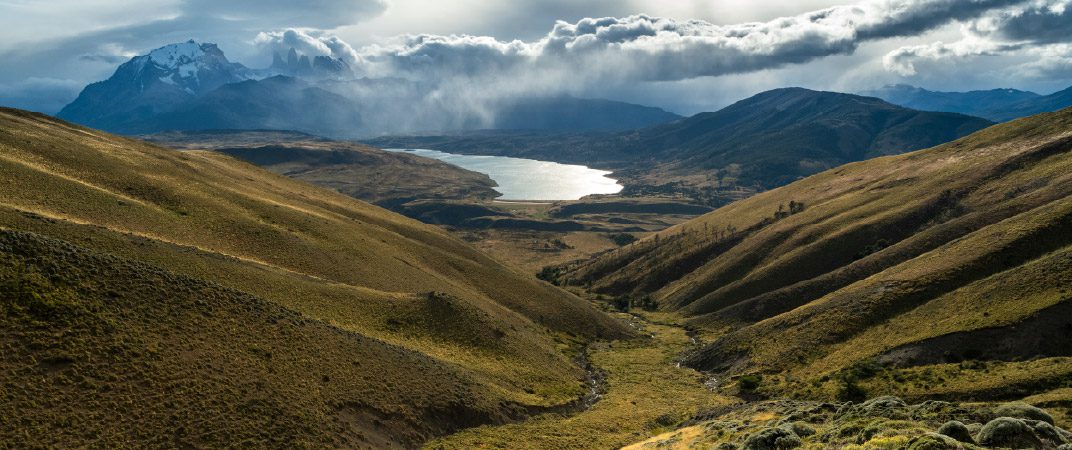
Hike through interior valleys, climb to natural viewpoints, and cross the region overland to reach lagoons, cerros, and panoramic horizons that reveal the deep geological history of the land. Wildlife moves freely across these plains, and the sense of remoteness is almost absolute. This is Patagonia with the volume turned down — and the scale turned all the way up.
Off the map, into deep time.
Venture into one of Patagonia’s most remote and least explored territories. Located northeast of the Conservation Reserve, near the border between Chile and Argentina, Sierra Baguales is a landscape of ancient geological formations, vast open valleys, and fossils that predate the Andes themselves — a place where the earth’s oldest chapters surface with every season.
Hike through interior valleys, climb to natural viewpoints, and cross the region overland to reach lagoons, cerros, and panoramic horizons that reveal the deep geological history of the land. Wildlife moves freely across these plains, and the sense of remoteness is almost absolute. This is Patagonia with the volume turned down — and the scale turned all the way up.